
Core capabilities

From first walk-through to long-term support.

Each pillar works independently, but they are strongest when applied together — allowing consistent, scalable signage across complex environments.

Strategy & Planning

01

Strategy & Planning

Strong signage programs start with clarity.

What this involves

  • Assess facility layout, traffic flow, and use cases
  • Identify safety, compliance, and wayfinding requirements
  • Define signage standards that scale across sites
  • Align stakeholders on scope, priorities, and constraints
  • Plan for phased rollouts, expansions, or future updates

Typical settings

New facilities or warehouse expansions · Standardizing signage across multiple locations · Correcting inconsistent or reactive signage systems

Design Coordination & Engineering Support

02

Design Coordination & Engineering Support

Effective signage depends on accuracy and coordination.

What this involves

  • Coordinate signage layouts, messaging, and visual standards
  • Align designs with safety, compliance, and operational requirements
  • Review layouts for visibility, placement, and durability needs
  • Incorporate site-specific constraints into design decisions
  • Support revisions and updates as scopes evolve

Typical settings

Facilities with complex layouts or mixed-use zones · Regulated or safety-sensitive environments · Multi-site programs requiring consistent standards

Production & Fabrication

03

Production & Fabrication

Signage built to perform in demanding, high-traffic environments.

What this involves

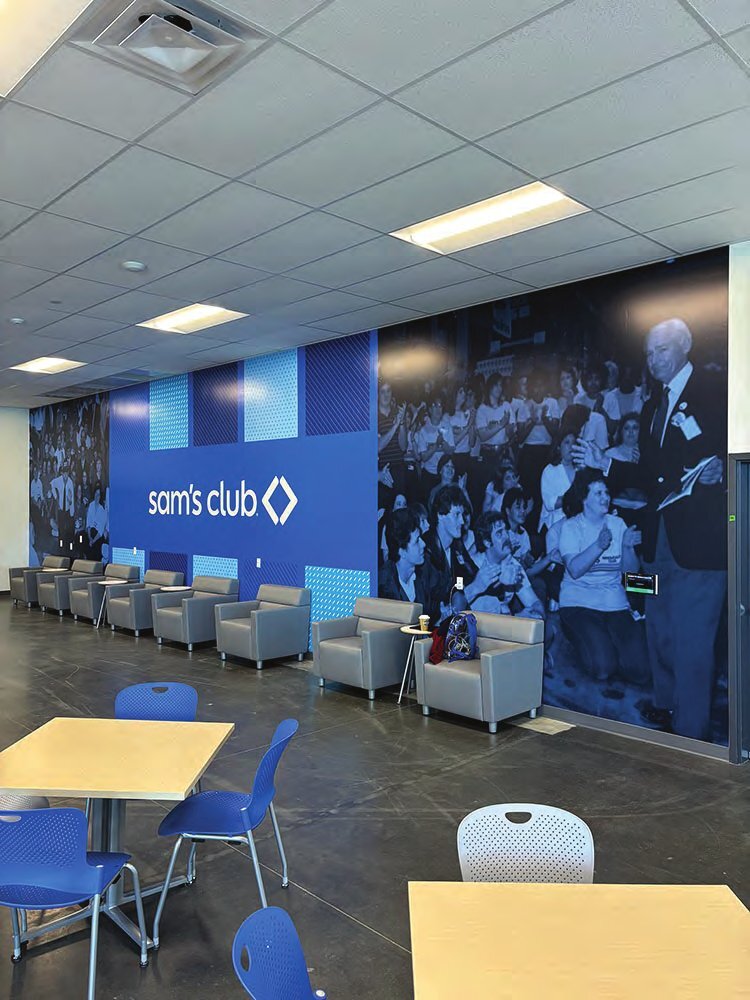
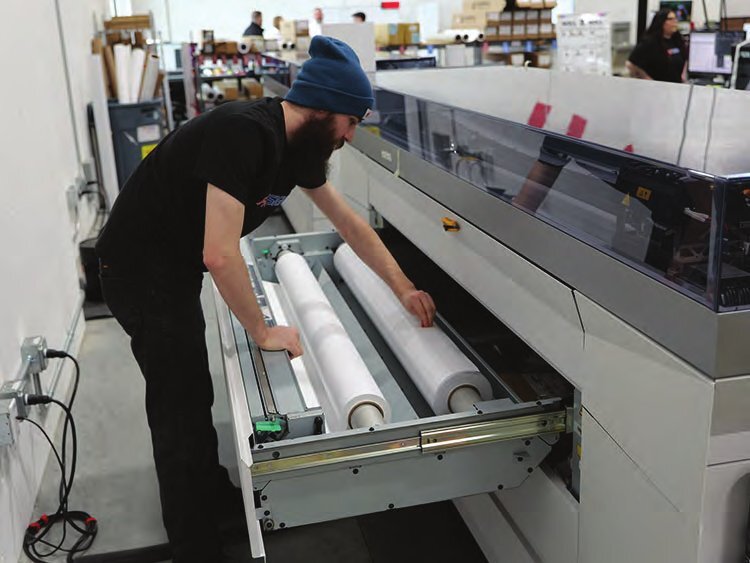
  • Produce safety, wayfinding, and operational signage for industrial environments
  • Select materials based on visibility, longevity, and site conditions
  • Maintain consistent standards across high-volume and repeat orders
  • Support kitting and batching
  • Verify specifications before production to reduce errors and rework

Typical settings

High-volume signage programs · Facilities requiring durable, long-lasting materials · Multi-location rollouts with standardized requirements

Installation & Field Execution

04

Installation & Field Execution

Installation is where planning meets reality.

What this involves

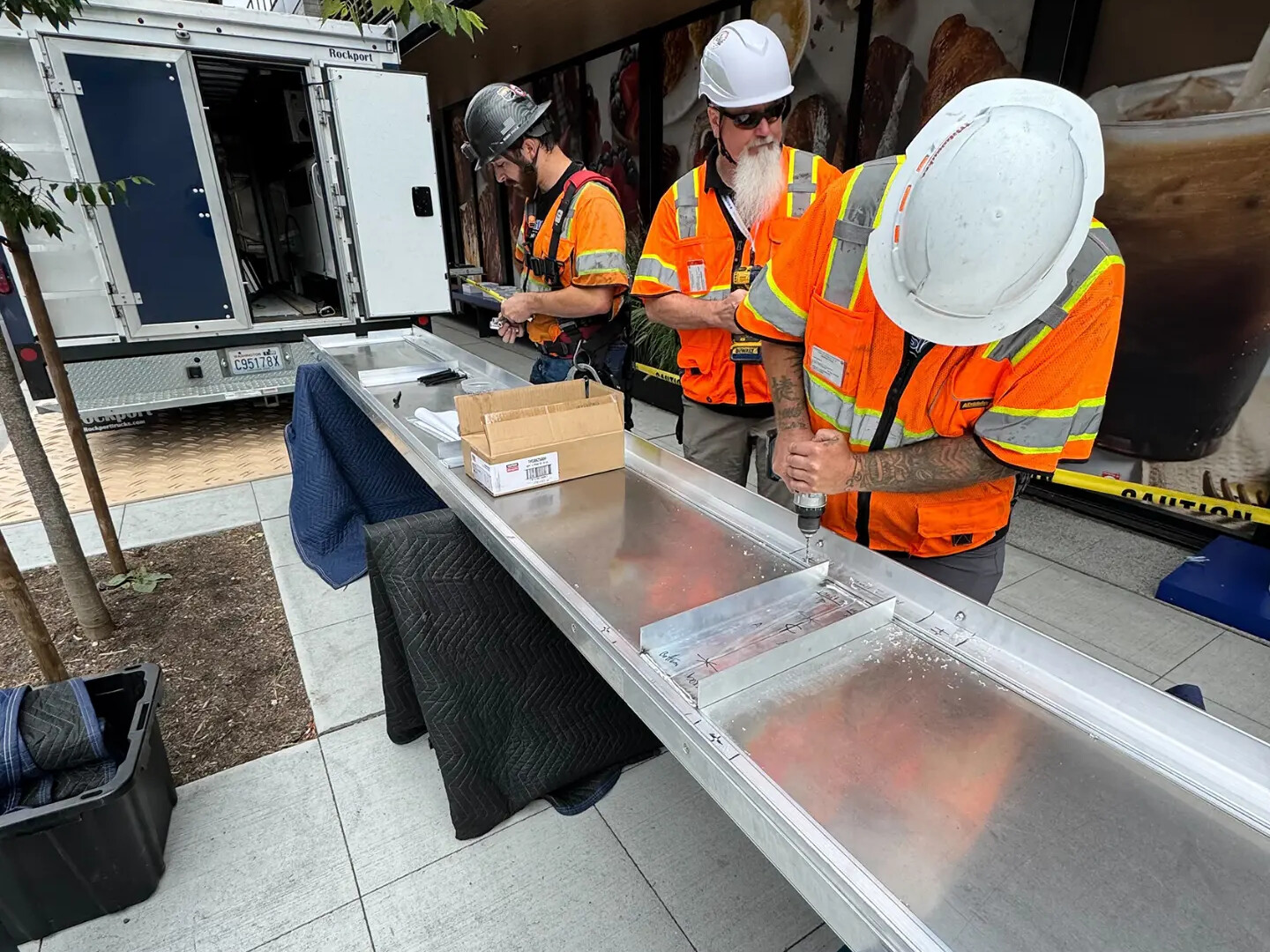
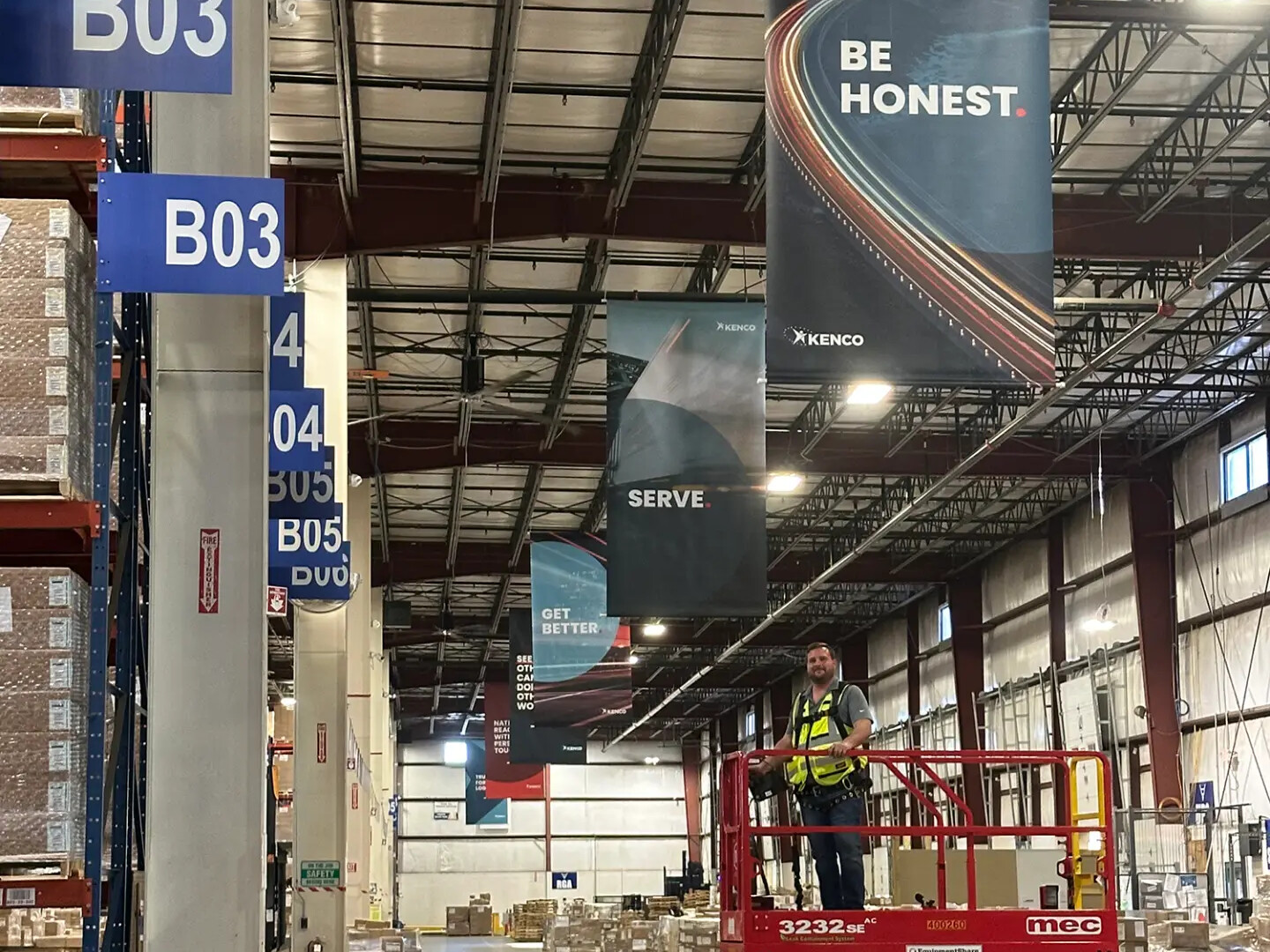
  • Install signage in live warehouse and industrial environments
  • Coordinate sequencing to align with site operations and schedules
  • Follow safety protocols and site-specific requirements
  • Adapt in real time to on-site conditions
  • Verify placement, accuracy, and completion

Typical settings

Active facilities with ongoing operations · Safety-critical signage installations · Projects requiring coordination across teams or shifts

Logistics, Fulfillment & Program Management

05

Logistics, Fulfillment & Program Management

Large programs require coordination beyond production and installation.

What this involves

  • Coordinate storage, kitting, and staged deliveries
  • Manage shipping and distribution across locations
  • Support phased or sequenced rollouts
  • Track program components to maintain consistency
  • Serve as a central point of coordination for ongoing programs

Typical settings

Multi-location or regional deployments · Phased signage programs and expansions · Organizations with repeat or ongoing signage needs

Maintenance & Ongoing Programs

06

Maintenance & Ongoing Programs

Facilities evolve, and signage needs change.

What this involves

  • Support signage updates due to layout or process changes
  • Replace damaged, outdated, or non-compliant signage
  • Maintain consistency as facilities expand or adapt
  • Assist with ongoing safety or compliance-driven updates
  • Provide continuity for long-term signage programs

Typical settings

Active facilities with changing needs · Long-term signage programs · Organizations focused on continuous improvement